

Estimated reading time: 10 minutes
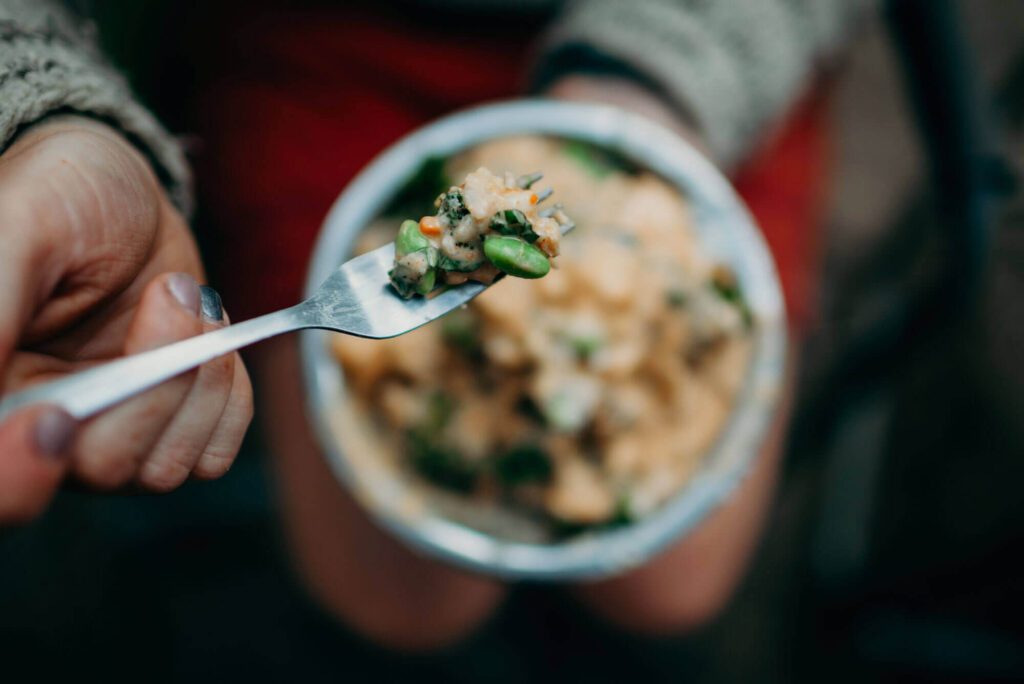
Food is a big part of a Middle Fork trip. It is also one of the first practical questions guests ask: What will we eat for six days, and can a remote river kitchen work with an allergy or dietary restriction?
Middle Fork Rapid Transit provides the meals, kitchen equipment, cooking, and cleanup while you are on the river. Our guides plan for a full day outside: breakfast in camp, a riverside lunch, appetizers after the boats reach camp, dinner, and dessert. We can accommodate vegetarian and many medically restricted diets with advance notice, but the details matter because the kitchen is shared and the food travels with us through a roadless wilderness.
This guide explains what is included, how the menu typically feels, what to tell us before launch, and where the limits of a wilderness kitchen matter most.
Middle Fork Meals at a Glance
| Question | What to expect |
|---|---|
| Which meals are included? | MFRT provides meals beginning with lunch on launch day and continuing through lunch in North Fork on the final day. |
| What is a normal day of food? | A hot breakfast, riverside lunch, appetizers in camp, a full dinner, and dessert, with timing adjusted to the river day. |
| Can MFRT accommodate dietary needs? | Vegetarian and many medically restricted diets can be planned for when the office receives specific details in advance. |
| Is the kitchen allergen-free? | No. Meals are prepared in a compact, shared outdoor kitchen, so cross-contact cannot be ruled out. |
| Should I bring food? | You do not need to pack general meals. Ask MFRT about personal snacks, specialty products, or refrigerated medical nutrition before bringing them. |
| What should I do first? | Put every allergy, restriction, and relevant medical consideration on your registration, then contact MFRT directly if the need is severe or complex. |
For the shorter, visual introduction to MFRT’s food, visit the Feast page. This article focuses on dietary planning and guest decisions rather than promising a fixed menu.
What Food Is Included on an MFRT Trip?
MFRT’s current trip details state that meals begin with lunch on the first day and conclude with lunch in North Fork after take-out on the final day. On the full river days between them, food follows the rhythm described in our sample Middle Fork rafting schedule: breakfast before camp is packed, lunch during a shore stop, appetizers after arrival in camp, and dinner later in the evening.
Exact times and dishes change. Water level, daily mileage, weather, the assigned camp, ingredient availability, and group needs all affect the plan. The useful expectation is a dependable sequence and enough food for active days—not a restaurant menu served on a fixed clock.
MFRT also provides drinking water throughout the trip. Current trip materials describe wine with dinner and a daily allocation of beer or soda. Guests who want additional beverages should ask the office before launch so the crew can plan cargo space and weight. Bring a sturdy water bottle and keep it accessible during the day; the complete personal gear list belongs in our Middle Fork rafting packing guide.
What Does the River Menu Look Like?
The menu is built to feel generous and varied, not like a week of minimal camp food. MFRT’s published materials name favorites such as cedar-plank salmon, eggs Benedict, tacos with scratch-made marinades and dressings, and Dutch-oven brownies or cobblers. The Feast page also features coconut basil peanut shrimp served with rice and vegetables.
Those examples show the style, not a guaranteed rotation. A trip may use different ingredients or preparations. A typical day can include:
- A hot breakfast with fruit and other sides
- A build-your-own or composed lunch served at a riverside stop
- Appetizers while guests settle into camp
- A hot entrée with vegetables, salad, grains, or another side
- A Dutch-oven or other camp dessert
- Coffee, tea, water, and the beverages described in current trip materials
Some meals naturally make customization easier than others. A build-your-own lunch may allow components to stay separate, while a sauce, marinade, baked dish, or dessert may contain several ingredients. That is why a label such as “gluten-free” or “vegetarian” is only the beginning of a useful conversation.
How We Plan for Dietary Needs
MFRT’s trip details specifically ask guests to disclose allergies, medical conditions, and dietary restrictions during online registration. They also state that vegetarian and medically restricted diets can be accommodated with advance notice.
Advance notice matters because the crew shops, portions, packs, and transports the trip’s food before the group enters the wilderness. There is no dependable grocery stop or quick replacement once the trip is underway. Early, specific information gives the office time to evaluate a request, ask follow-up questions, choose workable dishes, and plan alternatives.
Tell us what you avoid—and why
Use concrete language rather than a broad diet label. Helpful details include:
- The ingredient or ingredients you must avoid
- Whether the restriction is a preference, intolerance, diagnosed condition, or allergy
- The reaction you may experience and how serious it can be
- Whether shared utensils, cookware, prep surfaces, or trace exposure are a concern
- Ingredients that are acceptable despite the broader label
- Any reliable foods or specialty products you may need
- Medication or medical nutrition that requires special storage
For example, “I have celiac disease and cross-contact is a concern” gives the team more useful information than “gluten-free.” “Vegetarian; eggs and dairy are fine” is clearer than “plant-based.” The purpose is not to make guests defend a diet. It is to help the crew understand the actual boundary they need to plan around.
Common requests still need individual review
Vegetarian meals are specifically identified in MFRT’s current trip materials. Guests may also ask about vegan, gluten-free, dairy-free, low-sodium, diabetes-related, or other medically directed diets. Do not assume that a diet name guarantees a particular substitution or preparation method. Ingredients, severity, cross-contact tolerance, and the needs of the full group can change what is feasible.
Submit the details when you register. If your request is strict, medically important, or difficult to summarize in a form, contact MFRT before booking or as early as possible afterward. The office can discuss the specific trip rather than asking you to rely on a general website statement.
Food Allergies and a Shared Wilderness Kitchen
A serious food allergy requires a more direct conversation than a preference or uncomplicated substitution. The river kitchen is outdoors, compact, mobile, and shared across the group. Ingredients, coolers, work surfaces, utensils, cookware, and serving areas operate within that shared system. MFRT can plan around disclosed needs and take reasonable precautions, but cannot promise a certified allergen-free environment or eliminate every cross-contact risk.
The CDC’s food-allergy guidance emphasizes knowing ingredients, having a plan, using separate equipment or preparation areas when feasible, and thoroughly cleaning and sanitizing surfaces and equipment when separation is not available. Those principles also explain why complete information before a remote trip is essential.
If you have a severe allergy:
- Contact MFRT before the trip and discuss the allergen, reaction history, and cross-contact concern.
- Ask your healthcare professional whether this remote trip is appropriate for you and what emergency plan to follow.
- Bring all prescribed medication in the quantity and form your clinician recommends.
- Keep time-critical medication accessible rather than buried in an overnight bag that may be loaded away during the day.
- Tell the trip leader where the medication is and what help you may need in an emergency.
- Ask before eating when a dish or ingredient is unclear.
MFRT’s trip materials tell guests to pack prescribed medication and disclose allergies and other medical considerations. Your guide crew needs accurate information, but disclosure does not replace personal medication, medical advice, or an emergency plan.
Should You Bring Personal Snacks or Specialty Food?
Most guests do not need to bring extra food. MFRT plans substantial meals and carries the shared kitchen. A small amount of personal food can still be useful when you depend on a particular product, need a predictable snack with medication, or have a narrow range of foods you tolerate.
Discuss specialty food with MFRT before packing it. The office may need to consider:
- Cargo space and personal weight limits
- Original packaging and readable ingredient labels
- Whether an item must remain cold
- Whether it contains an allergen that affects another guest
- Where it will be stored and when it must be accessible
- Whether the crew is expected to prepare it or it is ready to eat
Do not arrive at orientation with an unannounced cooler or several days of ingredients and assume the boats can absorb them. If a product is medically necessary, say so early and explain its handling requirements.
How Food Safety Works Away From Roads
Safe wilderness meals depend on planning, cold storage, clean hands, separated raw and ready-to-eat foods, thorough cooking, and prompt service. The USDA’s outdoor food-safety guidance recommends keeping perishable food cold, protecting it from direct sun, separating raw meat from other foods, cleaning hands and equipment, and using safe water.
Guests participate in the simplest and most important part of that system: clean hands. MFRT provides drinking water and hand-washing systems at lunch and in camp. Wash before eating and after using the toilet, and follow the crew’s directions around the kitchen and serving area. Our dedicated Middle Fork camp-life guide explains the sanitation, handwashing, and low-impact routines in more detail.
Food scraps and kitchen waste also have to be managed as part of wilderness stewardship. The crew packs out trash and waste and keeps soap out of the river. Guests can help by using the established handwashing and dish systems, keeping personal food secured, and asking before disposing of anything.
Your Pre-Trip Dietary Checklist
Use this checklist early enough for the office and guide team to respond:
- Complete every dietary, allergy, and medical field in your registration.
- Name exact ingredients rather than relying only on a diet label.
- Explain cross-contact concerns and the severity of any reaction.
- Confirm what you can eat, not only what you cannot.
- Contact MFRT directly for severe allergies, celiac disease, complex medical diets, or refrigerated nutrition.
- Ask before bringing specialty food, supplements, or extra beverages.
- Pack prescribed medication and keep emergency doses accessible.
- Update MFRT promptly if your needs change before launch.
- At orientation, confirm that the trip leader has the correct information.
Clear communication gives the team the best chance to build meals that are enjoyable, practical, and appropriate for the realities of a remote river trip.
Middle Fork Food and Dietary Needs FAQ
MFRT’s current trip details say meals begin with lunch on launch day and continue through lunch in North Fork on the final day. Guests should eat breakfast before the launch-day pickup and confirm the latest first- and last-day logistics in their pre-trip materials.
Yes, with advance notice. Vegetarian diets are specifically identified in MFRT’s trip details. Explain whether you eat eggs, dairy, fish, or other animal products so the kitchen team can plan accurately.
Many dietary requests may be workable, but feasibility depends on the exact restriction, ingredients, cross-contact sensitivity, and advance planning. Put the details in your registration and contact MFRT directly for a strict or medically necessary diet rather than relying on a general label.
No. It is a shared outdoor kitchen, so cross-contact cannot be ruled out. Guests with severe allergies should speak with MFRT and their healthcare professional, carry prescribed medication, and make sure the trip leader knows where it is stored.
Usually, but discuss them with MFRT first. Boats have finite cargo and cold-storage space, and outside food can introduce allergens or handling needs. Keep specialty products in original, clearly labeled packaging whenever practical.
Contact MFRT as soon as possible. Do not wait until orientation or launch morning. The earlier the office knows, the more time it has to review ingredients, menu changes, storage, and other logistics with you.
Talk With MFRT Before Launch
The best dietary plan starts with a complete registration and a candid conversation. Tell us what you need, what level of cross-contact matters, and what medication or specialty food must remain accessible. We will discuss what is practical for the trip and help you arrive knowing what to expect.
For trip-specific questions, contact Middle Fork Rapid Transit. For the full experience beyond meals, start with River 101.