

Estimated reading time: 7 minutes
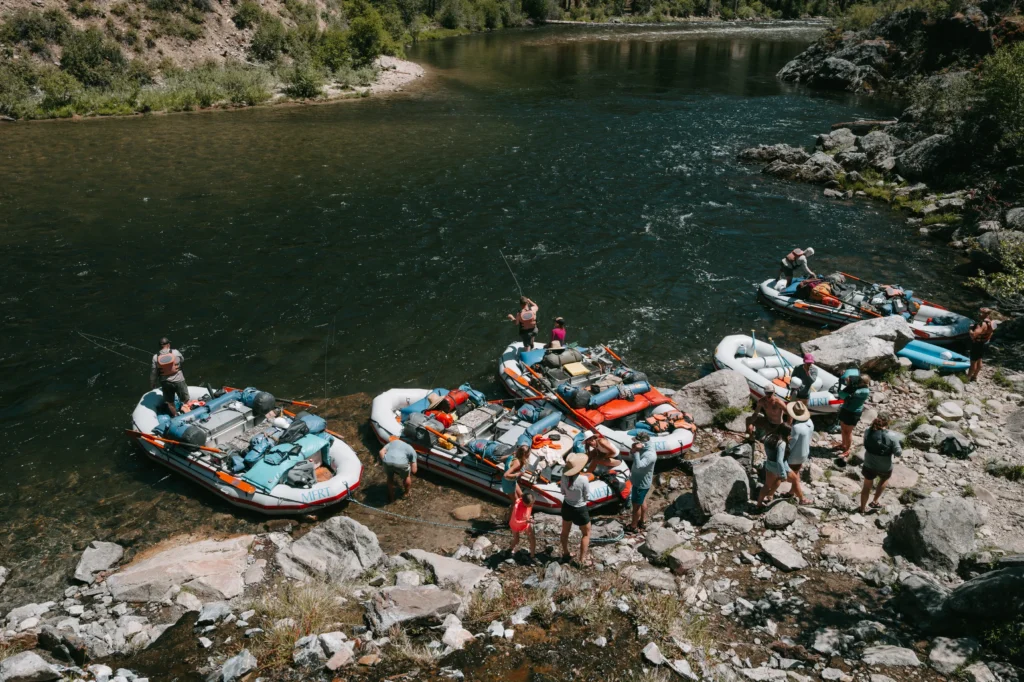
The best Middle Fork packing list is compact, layered, and built around two realities: mountain weather changes quickly, and your large overnight bag is not normally accessible during the boating day.
MFRT supplies the specialized river and camp systems. You bring personal clothing, footwear, toiletries, medications, and the small items that make six wilderness days comfortable. Always follow your trip-specific pre-departure instructions if they differ from this general guide.
How Your Bags Work
MFRT’s current River 101 information describes two guest dry bags:
- a larger overnight bag for clothing, sleepwear, and camp items;
- a smaller day-use bag for sunscreen, an insulating layer, rain protection, medication, and other items you may need before camp.
Pack the day bag deliberately. Once the larger bag is loaded with the camp system, assume it will remain unavailable until the next camp.
If your departure includes a small-aircraft transfer, follow the weight and packing limit in your current trip materials. Aircraft, conditions, and operating instructions can change; do not rely on a limit printed in an older PDF.
What MFRT Provides
Review River 101 for the current list. The standard guest system includes major items such as:
- boats, personal flotation devices, and river safety equipment;
- dry bags for overnight and daytime personal gear;
- tents and sleeping systems;
- camp chairs and shared camp equipment;
- kitchen, meals, drinking water, and sanitation systems.
Do not bring a tent, sleeping bag, large cooler, or duplicate river equipment unless MFRT specifically asks you to.
Core Clothing List
On the river
- Two or three quick-dry shirts
- Two quick-dry shorts or river pants
- Swimsuit
- Warm synthetic or wool base layer
- Fleece or compact insulating jacket
- Waterproof rain jacket and rain pants
- Secure river sandals or wet-capable shoes with heel retention
- Sun hat with a secure strap
- Warm hat for cool mornings
In camp
- One or two dry shirts
- One pair of camp pants
- Underwear and socks
- Warm sleep layer
- Lightweight insulated jacket
- Closed-toe camp shoes
- Optional clean travel clothes sealed for the return to Stanley
Cotton can be comfortable in hot, dry camp conditions, but it is a poor insulating layer when wet. Keep at least one complete warm, quick-dry system available even on a midsummer departure.
Personal Essentials
- Prescription medication in original or clearly labeled packaging
- Backup critical medication, discussed with MFRT before departure
- Sunscreen and SPF lip balm
- Sunglasses with a retention strap
- Refillable water bottle
- Small headlamp with spare batteries
- Personal toiletries in compact containers
- Toothbrush and toothpaste
- Menstrual products and sealable disposal bags if needed
- Insect repellent
- Small quick-dry towel or bandana
- Eyeglasses or contact supplies, plus a backup if practical
Tell MFRT about medication storage, allergies, dietary needs, mobility needs, or sleep equipment concerns before the trip. The dedicated food and dietary-needs guide explains what the kitchen can plan for and what requires an early conversation.
Seasonal Adjustments
June high water
Expect cold snowmelt, more splash, and a wider range of mountain weather.
- Add a second warm base layer.
- Bring warmer socks and a reliable camp insulation layer.
- Prioritize a fully waterproof rain system.
- Follow MFRT’s trip-specific direction about wetsuits or other cold-water clothing.
- Pack thin gloves only if your departure instructions recommend them.
The June high-water guide owns the detailed guest-fit decision.
July and early August
Days can be hot and sunny, but cool mornings, storms, and cold upper-river nights remain possible. Do not pack as though nighttime will stay near daytime temperatures.
- Keep the warm base layer and rain suit.
- Add strong sun protection.
- Use a light long-sleeve sun shirt.
- Bring a warm sleeping layer even during a favorable forecast.
Check the monthly weather and water guide for planning context, then use the current forecast shortly before departure.
Late August and September
Late-season trips combine warm afternoons with longer, colder nights and low-water logistics.
- Add a warmer insulating jacket.
- Bring an extra dry base layer.
- Include warm socks and a hat for camp.
- Pack compact fishing layers if angling is a priority.
The late-season guide covers fly-in and low-water considerations without duplicating this master list.
Footwear
Bring two functional pairs:
- River shoes that stay on securely, drain, and protect the foot.
- Dry camp shoes, preferably closed-toe for uneven ground.
Flip-flops are poor primary river footwear because they can detach easily and offer little protection at rocky landings. New shoes should be broken in before the trip.
Toiletries and Hygiene
Keep products small, simple, and unscented where practical. Soap does not belong in the river or hot springs. MFRT manages the camp sanitation and handwashing systems; the camp-life guide explains bathrooms, washing, sleeping, and personal privacy in detail.
Do not bring glass containers. Repackage only when the contents remain clearly identifiable and safe.
Optional Gear
- Compact binoculars
- Paperback or e-reader in a protective case
- Small journal
- Earplugs
- Lightweight sleep mask
- Compact battery bank
- Small amount of favorite non-glass beverage, coordinated with MFRT
For cameras, waterproofing, batteries, and when gear is accessible, use the dedicated river-photography guide rather than expanding the master packing list.
For fishing, bring only the personal tackle confirmed for your departure. Review the fly-fishing overview and current fishing regulations.
What Not to Pack
- Hard-sided luggage
- Glass bottles or jars
- Cotton-only cold-weather system
- Loose sandals as your only river shoes
- Large duplicate camp equipment
- Unnecessary electronics
- Valuables you cannot afford to wet or lose
- Soap intended for use in the river or hot springs
- A rigid plan to wear every outfit
Final 48-Hour Check
- Re-read your current MFRT trip instructions.
- Check the Stanley forecast and regional road conditions.
- Put medication, rain gear, insulation, sunscreen, and water bottle in the day-bag pile.
- Confirm every bag closes without forcing it.
- Remove duplicate clothing and bulky “just in case” items.
- Label personal gear.
- Pack a travel-day contingency kit in your carry-on.
Middle Fork Packing FAQ
Pack only what fits comfortably in the MFRT dry-bag system and follow the current limit provided for your departure. If a small-aircraft transfer is planned, the trip-specific aircraft limit controls.
Not for the standard MFRT system. MFRT supplies the primary tent and sleeping setup. Confirm any specialized sleep or medical equipment before arrival.
That depends on departure date and conditions. Follow MFRT’s trip-specific guidance rather than assuming every June or summer guest uses the same cold-water clothing.
The smaller day-use dry bag. Use it for rain protection, insulation, medication, sunscreen, and other essentials. The larger overnight bag is generally accessed at camp.
Yes, within the bag and weight limits, but you are responsible for water, grit, impact, and battery planning. The river-photography guide provides a compact system.